

In today’s modern lifestyle, long hours of sitting, poor posture, stress, and limited physical activity have made spinal problems increasingly common. Many people experience chronic back pain, neck stiffness, headaches, and fatigue without realizing that the root cause may be poor spinal alignment.
Spinal alignment plays a crucial role in maintaining overall health and well-being. When the spine is properly aligned, the body functions more efficiently, movement becomes easier, and the risk of long-term health issues decreases.
Scientific evidence shows that improving spinal alignment and posture can significantly reduce pain and improve physical function. Randomized clinical trials have demonstrated that posture correction and spinal stabilization exercises reduce disability and enhance spinal alignment in patients with chronic low back pain.
Systematic reviews further confirm that exercise-based interventions improve posture, spinal health, and quality of life while reducing musculoskeletal pain.
Additional research indicates that abnormal posture is associated with musculoskeletal pain, and corrective exercise programs can effectively improve spinal posture and functional outcomes.
This article explores the key benefits of spinal alignment, how it impacts long-term wellness, and practical ways to maintain a healthy spine.
What Is Spinal Alignment?
Spinal alignment refers to the correct positioning of the spine so that it maintains its natural curves and balance. Proper alignment ensures that the spine supports the body evenly, reduces stress on muscles and joints, and allows the nervous system to function optimally.
Quick Answer
Spinal alignment is the proper positioning of the spine that supports posture, reduces pain, improves mobility, and enhances overall physical and mental health.
Why Spinal Alignment Is Important for Long-Term Health
The spine is the central support system of the body. It protects the spinal cord, connects the brain to the rest of the body, and supports posture and movement.
When the spine is misaligned, it can lead to a range of health problems, including muscle tension, nerve compression, reduced mobility, and chronic pain. Over time, these issues can affect overall quality of life.
Maintaining proper spinal alignment is not just about avoiding pain—it is about building a strong foundation for long-term wellness.
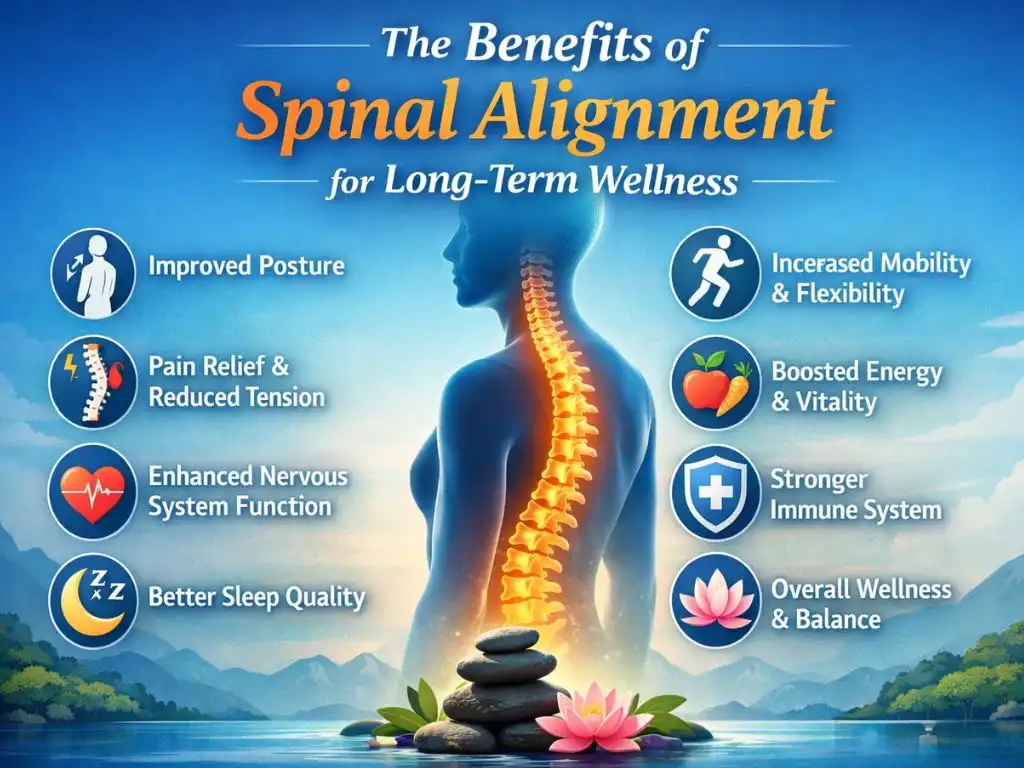
Key Benefits of Spinal Alignment for Long-Term Wellness
Improved Posture and Body Balance
One of the most visible benefits of spinal alignment is better posture. Proper alignment helps the body maintain a natural, upright position, reducing slouching and uneven weight distribution.
Benefits include:
- Enhanced physical appearance
- Reduced strain on muscles
- Better balance and coordination
- Good posture also contributes to confidence and overall body awareness.
Reduced Back and Neck Pain
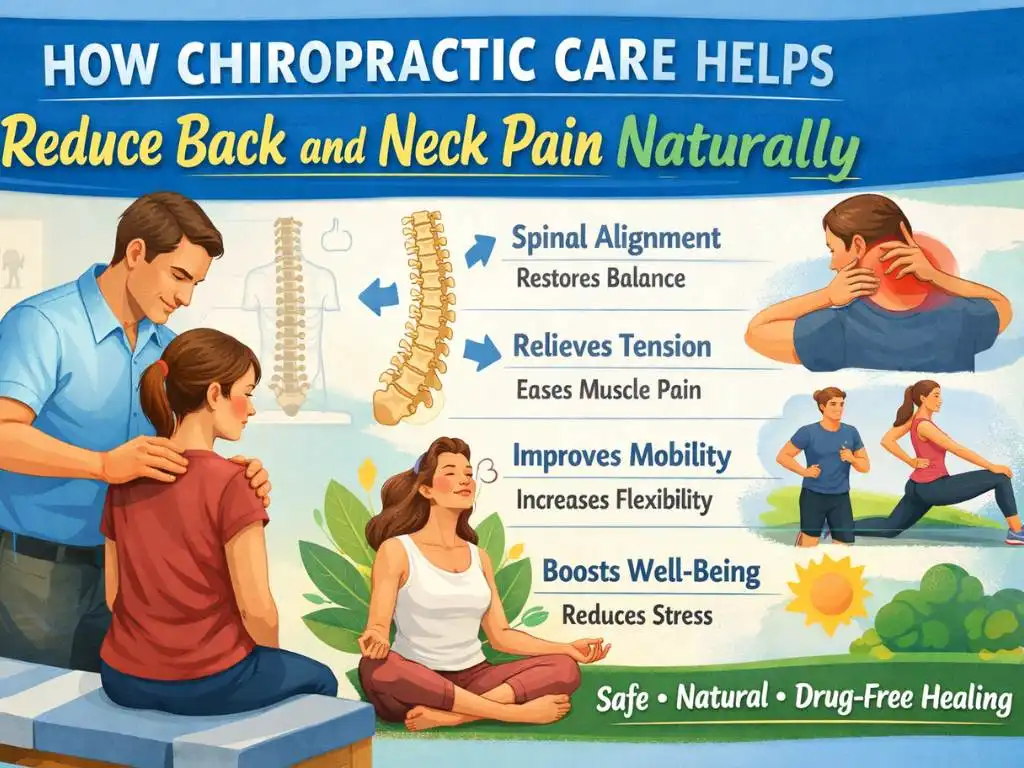
Spinal misalignment is a common cause of chronic back and neck pain. When the spine is aligned correctly, pressure on nerves and muscles decreases, leading to pain relief.
Key outcomes:
- Lower risk of chronic pain
- Faster recovery from injuries
- Improved daily comfort
This is why spinal alignment is often recommended in chiropractic and physiotherapy treatments.
Enhanced Nervous System Function
The spine houses the spinal cord, which is a critical part of the nervous system. Proper spinal alignment ensures that nerve signals travel efficiently between the brain and the body.
Benefits include:
- Improved energy levels
- Better organ function
- Enhanced coordination and reflexes
A healthy spine supports optimal communication within the body.
Increased Mobility and Flexibility
Proper spinal alignment improves joint function and muscle balance, allowing the body to move more freely.
Advantages:
- Greater range of motion
- Improved athletic performance
- Reduced stiffness
This is especially important for aging adults who want to maintain an active lifestyle.
Better Mental Health and Stress Reduction
Posture and spinal health are closely linked to mental well-being. Poor posture can contribute to fatigue, stress, and even anxiety.
When the spine is aligned:
- Breathing improves
- Stress levels decrease
- Mood and focus improve
A well-aligned spine supports both physical and mental wellness.
Improved Sleep Quality
Spinal alignment also affects sleep. Poor posture and spinal discomfort can disrupt sleep patterns.
With proper alignment:
- Sleep becomes deeper and more restful
- Muscle tension decreases
- Recovery and regeneration improve
Quality sleep is essential for long-term health.
Long-Term Health Impact of Proper Spinal Alignment
Over time, maintaining spinal alignment can prevent serious health conditions such as:
- Chronic back disorders
- Degenerative joint diseases
- Poor posture-related complications
- Reduced mobility in old age
It also contributes to healthy aging, improved productivity, and better overall quality of life.
Signs You May Need Spinal Alignment
You may benefit from spinal alignment if you experience:
- Persistent back or neck pain
- Frequent headaches
- Poor posture or slouching
- Uneven shoulders or hips
- Limited mobility
- Fatigue or stiffness
Quick Answer
Common signs of spinal misalignment include chronic pain, poor posture, headaches, and reduced flexibility.
How to Improve and Maintain Spinal Alignment
Professional Care
- Chiropractic adjustments
- Physiotherapy
- Osteopathy
These therapies help correct misalignment and restore spinal balance.
Lifestyle Changes
- Maintain ergonomic posture at work
- Avoid prolonged sitting
- Use proper sleeping positions
- Stay physically active
Exercises for Spinal Alignment
- Core strengthening exercises
- Yoga and stretching
- Pilates and mobility workouts
Regular exercise plays a key role in maintaining spinal health.
Frequently Asked Questions
Is spinal alignment safe?
Yes, spinal alignment techniques performed by qualified professionals are generally safe and effective.
How long does it take to see results?
Results vary depending on the individual, but many people notice improvements within a few weeks.
Can spinal alignment improve posture permanently?
Yes, with consistent care and healthy habits, spinal alignment can lead to long-term posture improvement.
How often should you focus on spinal alignment?
It depends on your lifestyle and health condition, but regular posture checks and exercises are recommended.
Is spinal alignment suitable for all ages?
Yes, spinal alignment benefits people of all ages, from children to older adults.
Conclusion
Spinal alignment is a cornerstone of long-term wellness. By improving posture, reducing pain, enhancing mobility, and supporting the nervous system, proper spinal alignment helps the body function at its best.
Investing in spinal health today can lead to a healthier, more active, and pain-free future.